
10 Reasons Why Your Business Needs a Mobile App
11 min read
09 January 2026
By Aijaz Mughal
Your customers wake up with their phones, check them between meetings, scroll during breaks, and use them before sleeping. According to Exploding Topic, on average, people glance at their phones around 58 times a day, which means your business has dozens of chances to stay visible or disappear completely.
Websites and social platforms still matter in 2026, but they do not offer the same closeness or consistency as a mobile app. With 92.3% of internet users accessing the web through mobile phones, businesses that rely only on desktop or browser-based experiences are missing daily interactions that shape buying decisions.
A mobile app is no longer about trends or novelty. It is about presence, trust, retention, and convenience.
This blog breaks down exactly why your business needs a mobile app, how mobile apps enhance customer engagement and how it supports growth, and what to consider before you create a mobile app for your business.
The Role of Mobile Apps in Modern Business Growth in 2026
The role of mobile apps has shifted from being an extra feature to becoming a core business channel in 2026. Apps allow businesses to connect directly with customers without relying on search rankings, social media algorithms, or third-party platforms.
Unlike websites, mobile apps stay visible on a user’s screen. Every icon tap reinforces brand recall, every in-app interaction builds familiarity, and over time, this steady exposure creates trust, which directly influences buying behavior.
Global investment trends reflect this shift, as according to Statista, the mobile app market is projected to reach $756 billion by 2027, showing how businesses worldwide see apps as long-term growth assets. Whether your focus is sales, service, or engagement, the role of the mobile app is now central to staying relevant and competitive.
10 Reasons to Invest in a Mobile App for Your Business
Mobile apps support visibility, engagement, retention, and growth. Below are the key reasons businesses across industries invest in mobile apps as part of their long-term strategy.
-
Your Brand Stays Visible Every Day

A mobile app keeps your business present without constant advertising spend. Once installed, your brand becomes part of a customer’s daily routine. Even without opening the app, the icon itself reinforces recognition.
This level of visibility is difficult to achieve through websites or social media. Those platforms require users to search, scroll, or click ads. A mobile app removes those steps by offering direct access, which reduces friction and increases the chances of repeat interaction.
For businesses trying to build long-term customer relationships, this consistent presence makes a real difference.
-
Mobile App Enhances Customer Engagement
How mobile apps enhance customer engagement is one of the strongest reasons businesses invest in app development. Apps allow interaction beyond static content. Users browse, save preferences, place orders, track requests, and receive updates in real time.
Push notifications play a major role here by reconnecting users without asking them to search or log in. Data shows that push notifications receive 40% higher engagement than email, making them one of the most effective communication tools available to businesses.
Engagement inside an app also feels more personal. Customers interact on their own terms, leading to longer sessions and stronger brand connections.
-
Higher Customer Retention and Repeat Usage
Keeping an existing customer is easier and more cost-effective than finding a new one. Mobile apps support this by simplifying repeat actions. Saved details, order history, reminders, and loyalty benefits remove friction from future interactions.
Research supports this behavior as data suggests 65% of businesses with an app report higher customer retention, showing a direct link between apps and long-term customer value.
When customers know they can rely on your app for quick access, they are more likely to return instead of exploring competitors.
-
Faster and More Convenient Customer Support
Customer expectations around response time have changed. People prefer instant answers instead of waiting for emails or phone callbacks. Mobile apps support faster service through in-app chat, help sections, ticket systems, and notifications.
This reduces frustration and improves satisfaction. It also helps businesses manage support more efficiently by organizing requests in one place.
For service-based businesses, especially, quicker support can be the difference between a retained customer and a lost one.
-
Better Data and Smarter Business Decisions
Mobile apps provide valuable insights into how customers interact with your business. You can see which features are used most, where users drop off, and what drives repeat activity.
This data helps businesses refine offers, adjust pricing, improve services, and plan updates based on real behavior rather than assumptions. Over time, this leads to smarter decisions and more effective marketing.
Unlike third-party platforms, this data belongs to you and reflects direct customer actions.
-
Increased Sales and Revenue Opportunities
Mobile apps create multiple paths for revenue. Customers can place orders, book services, subscribe, or make payments with fewer steps compared to websites. Reduced friction leads to higher completion rates.
App stores also provide massive exposure, as according to Statista, the Apple App Store and Google Play Store see around 35-36 billion downloads every quarter, offering businesses access to users who actively search for solutions.
Whether you sell products or services, apps help convert interest into action more efficiently.
-
Building Trust and Credibility
Customers often associate mobile apps with established businesses. An app signals reliability and commitment to service quality.
This trust matters, especially for first-time customers deciding between similar options. A dedicated app reassures users that your business is serious about long-term service delivery.
Trust built through consistent app experiences often leads to repeat business.
-
Standing Out in a Competitive Market
Many businesses still rely only on websites or social media pages. Having a mobile app immediately creates distinction, especially in crowded industries.
An app offers faster access, saved preferences, and direct communication that competitors may not provide.
For businesses competing on convenience and consistency, this difference can influence customer choice.
-
Direct Communication Without Platform Dependence
Websites and social media depend on algorithms and rankings. Mobile apps allow businesses to communicate directly with users without intermediaries.
Updates, offers, reminders, and alerts reach customers instantly. This control improves message delivery and reduces reliance on paid promotion.
Direct communication strengthens consistency and improves response rates.
-
Mobile Usage Patterns Around the World
Smartphone use has become a central part of daily life across the globe. According to a study from Exploding Topics, people in the UAE spend 4 hours and 27 minutes per day on their devices, while the average smartphone user in the USA spends 3 hours and 22 minutes, and the global average is 3 hours and 46 minutes per day.
This widespread mobile usage affects how businesses should connect with customers. People increasingly prefer booking, ordering, browsing, and seeking support through apps instead of phone calls or desktop websites and the trend will continue in 2026.
For businesses aiming to reach audiences locally or globally, having a mobile app aligns with how customers naturally use their devices, making engagement, loyalty, and convenience easier to achieve.
What to Consider First When Creating a Mobile App for Your Business?

Before creating a mobile app for your business, clarity matters more than features. Start by identifying the main purpose of the app. Is it sales, bookings, support, engagement, or loyalty?
Next, consider platform needs. Some businesses start with Android, others prioritize iOS app development, depending on their audience. Budget, timeline, and feature priorities should also be defined early.
Fast app development is possible, but speed should never replace planning. A focused app with clear value performs better than a feature-heavy one with no direction.
Mobile Application Development Explained in Simple Terms
Mobile application development follows a clear process. It begins with planning and wireframes, followed by design, development, testing, and launch. Each stage ensures the app works as expected and meets business goals.
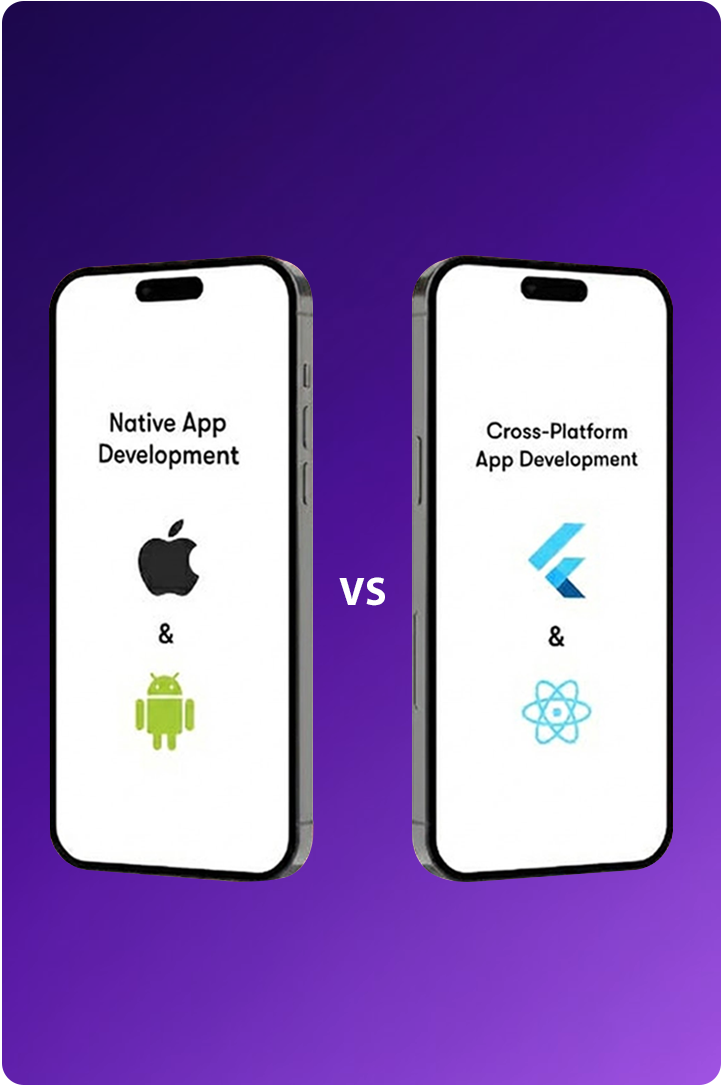
Businesses often ask whether they should build native apps or use cross-platform solutions. The choice depends on performance needs, budget, and long-term plans.
Clear communication between business owners and developers plays a key role in delivering an app that actually gets used.
Should You Get Someone to Make an App for You in 2026?
Some businesses consider building apps internally, while you may choose to get someone to make an app for you. In-house teams offer control but require hiring, management, and long-term costs.
Outsourcing allows access to experienced professionals without building a team from scratch. It also helps businesses get an app developed with fewer operational challenges.
The key is choosing partners who focus on business goals, not just technical delivery.
When is the Right Time to Get the App?

If your website receives high mobile traffic, customers return frequently, or manual processes slow your operations, it may be time to get the app.
Apps work best when there is an existing customer base that benefits from repeat interaction. Waiting too long can result in missed opportunities and weaker customer loyalty.
The earlier an app is integrated into your business strategy, the more value it delivers over time.
Final Words
The role of mobile apps in connecting businesses with customers has never been clearer. By simplifying interactions, providing instant access, and keeping your brand visible, apps show how mobile apps enhance customer engagement and loyalty. With billions of downloads each quarter, businesses that invest in apps benefit from consistent interaction and long-term value.
If you plan to hire a mobile app development company in Dubai in 2026, the focus should always remain on solving real customer needs. A well-planned app is not about features but about building stronger connections that support steady business growth.
FAQS
-
Why does my business need a mobile app?
A mobile app strengthens customer engagement, increases retention, and provides direct access to services. It turns daily smartphone use into opportunities for growth and consistent interaction with your brand.
-
How does a mobile app enhance customer engagement?
A mobile app enhances engagement by offering personalized experiences, instant notifications, and easy access to services. Users interact on their own terms, creating longer sessions and stronger brand loyalty.
-
How much does it cost to get a mobile app developed?
Costs depend on features, platform, and complexity. Simple apps are more affordable, while apps with advanced functionality or multiple platforms require professional mobile application development services.
-
Should I get someone to make an app for me?
Hiring a professional mobile app development company ensures quality, timely delivery, and ongoing support. Experienced developers create apps that meet business goals and improve user experience.
-
How long does it take to create a mobile app for my business?
Development time depends on features, platform, and design complexity. Simple apps can take weeks, while full-featured apps with iOS and Android support may take several months.
Author
Aijaz Mughal is a digital marketing strategist, business growth advisor and Founder & Managing Director of Aun Digital. With more than 15 years of experience in the UAE market, he has worked across SEO, PPC, performance marketing, digital strategy, social media, project management and team leadership.Throughout his career, Aijaz has worked with leading brands including Emaar, Masdar, Honda, Leejam, Unilever, The Dubai Mall, Emerson, Moorfields and Yamaha, helping businesses develop effective digital strategies and achieve measurable growth.
Speak to an Expert