
Website Development Lifecycle: From Idea to Launch
9 min read
02 March 2026
By Aijaz Mughal
Digital presence starts with a journey that involves more than a simple domain purchase. Many businesses think a site just appears once a developer starts typing code, and that’s a mistake. A real business platform comes from a rigid methodology. This path ensures the final site matches what the business actually needs. There is no shortcut for quality; it takes a sequence of technical and creative moves. This blog looks at how an idea becomes a real digital asset, and helps you get closer to success in the UAE market, which depends on following these specific steps of development.
The 7 Phases of the Web Development Life Cycle
Developers use a specific framework to keep things stable. We can break this down into stages.
-
Discovery: Defining the audience and the core purpose.
-
Architecture: Building sitemaps and wireframes to see the journey.
-
Visuals: Creating the look through colors and specific fonts.
-
Copy: Producing the words that fill the empty spaces.
-
Coding: The actual building of the front and back ends.
-
QC: Testing for bugs on every possible device.
-
Deployment: Moving to a live server and keeping it running.
1) Discovery and Requirement Analysis
Projects fail because of bad research, so you have to make sure why the site exists in the first place. It is not enough to want a nice design; it is also necessary to identify the problems the site will solve for the user. A web development company in the UAE often spends weeks just on this. They look at the competition in Dubai and study how local people shop online.
Gathering data provides the base for every choice made later. Without this, the website is just full of features that nobody uses. Must set your goals early on, like you want leads or maybe targeting direct sales.
2) Planning the Structural Blueprint
Goals lead to the planning stage, and this is where we create a sitemap. Think of it as a list of all the main areas of the website. It shows how one page connects to the next. This makes the navigation easy, so users do not get frustrated.
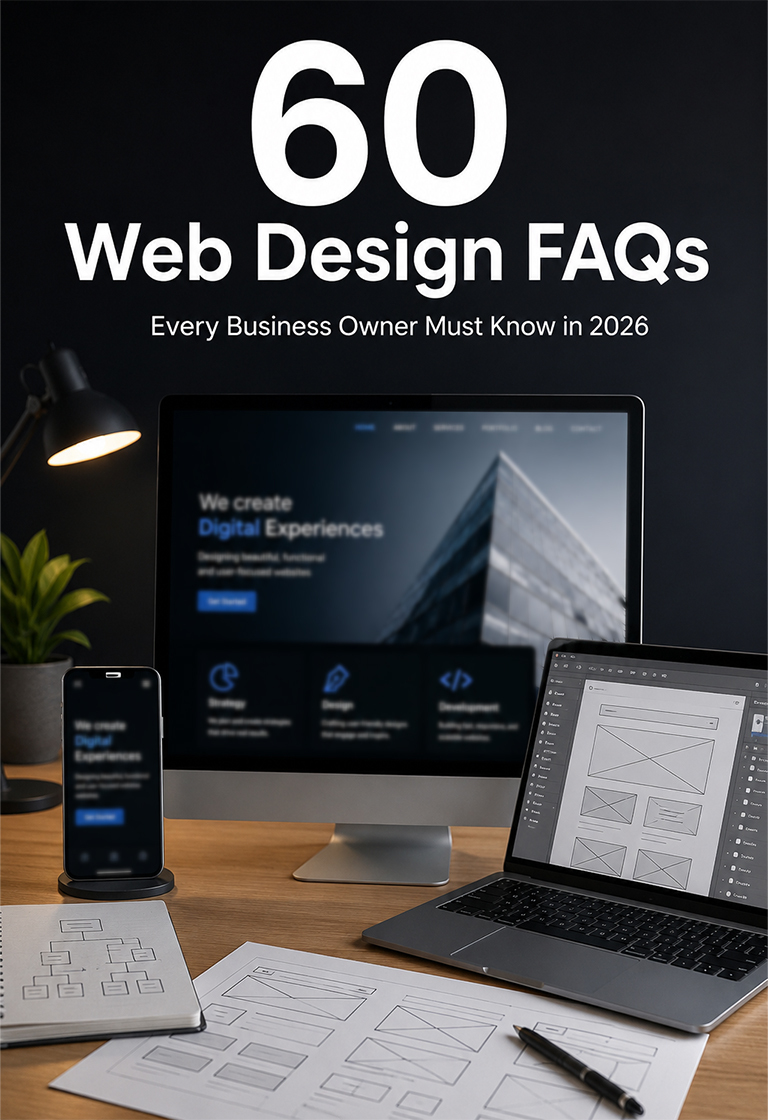
Then comes the wireframe part, which is a visual map that shows the skeleton of the pages. With no colors and no images either. It just shows where the buttons and the text will go. This allows for testing the flow before you spend money on the technical development.
3) UI and UX Design Strategy
Design is the phase where the vision starts to look real, but appearance is only half of the story. A central factor in this process is the distinction between how a site looks and how it actually functions for the visitor. User Experience (UX) is focused on how a person feels when they navigate through the pages. User Interface (UI) is focused on the actual elements they touch and interact with on the screen. From a practical standpoint, both must work together to prevent user frustration.
Localized User Experience Requirements
A web development company in the UAE ensures the look of the platform fits the local culture. This involves technical details like ensuring the site can handle Arabic text correctly from a right-to-left perspective. The design has to be fully responsive as a mandatory requirement. Another point of consideration involves the hardware being used by the target audience. It must work perfectly on a small phone and a big monitor. Mobile-first is the standard rule because most people in the GCC region perform their shopping and business tasks on their smartphones.
Ensuring Intuitive Navigation
The direct result of a strong UI strategy is a reduction in the bounce rate. When the buttons are easy to find and the menus are simple, the user stays on the site longer. Consequently, the focus remains on keeping the interface clean and avoiding unnecessary decorations that slow down the user. While a visually stunning site is a goal, the utility of the navigation is the true measure of success in a competitive digital market.
4) Content Assembly and SEO
People visit your website primarily for the information it provides to them. Because of this reality, the text must be clear and professional at all times. This phase of development involves writing the service descriptions and the history of the brand in a way that builds immediate trust. You also need to find the right photos and videos to support the written word. This stage is where the personality of the business is formally communicated to the public.
Strategic Integration of Keywords
Web creation and content are tied together by the technical principles of SEO. The role of the placement of keywords in the body text cannot be misaligned. You must insert certain search words in the descriptions in order to make the phrasing sound natural to a human reader. This will enable search engines to index your pages properly. Good content satisfies the user intent and also boosts your site to the top of the search engine. After the first writing, the emphasis should be on ensuring that there is a high level of accuracy in all published data.
The Link Between Content Quality and Rankings
The technical aspect of a website cannot be effective without a good background of quality writing. Even the best code in the world will not work on a site with bad writing. Moreover, search engines give preference to pages that demonstrate authority and relevance to the user. Based on this reasoning, the second action is to constantly update the content to ensure that the information is not stale to users and algorithms. The internal links also contribute to this strategy by allowing the user to access related topics without leaving your platform.
Enhancing Authority Through Original Media
One of the key elements of modern content strategy is the utilization of distinctive visual resources. Users who seek an authentic brand experience tend to ignore stock photos. Rather, you are supposed to concentrate on the use of high-quality images and original videos that show your real work or products. This method establishes some degree of credibility that cannot be attained by text alone, which is the metadata of such files. The alt-text should be descriptive in order to make sure that the search engines can comprehend the context of your media. This improves your visibility and accessibility needs.

5) The Coding and Development Process
This is the long part. The wireframes finally turn into a real product.
Front-End
Front-end development focuses on everything the user interacts with on the screen. Layouts, spacing, responsiveness, and basic interactions are implemented using HTML and CSS. Attention at this level ensures consistency across devices and browsers.
Back-End
Back-end development manages data flow, server logic, and system functionality that users do not see. Databases, authentication systems, and admin controls are structured during this phase. Stability and performance depend heavily on how this layer is built.
Integrations
Integrations connect the website with external tools required for daily operations. Payment gateways, shipping platforms, and analytics systems are configured and tested carefully. Proper integration ensures smooth transactions and accurate data synchronization.
Pro tip: Web development services involve different teams working at the same time. One group builds the buttons while another builds the database. This keeps the project moving so the launch date does not slip.
6) Testing for Quality Assurance
Every line of code needs a check before you launch the website. This is a hard process that finds the hidden mistakes. Specialists do functionality tests to make sure every link works. They also do compatibility tests. This is to see if the site looks the same on Chrome and Safari.
Speed is another huge factor. A slow site kills a business. The team checks the load times and how the server reacts to traffic. Security is the last check. It protects the customer data from hackers. Only when the bugs are gone can you move to the live server.
7) The Final Step: Website Launch
The launch is a big moment. You move the code from a secret testing area to the real public web. This involves setting up the domain and the hosting.
But the launch is not the finish line. The web changes every single day, and you have to watch the site for any new problems. Check for broken links and server errors. Ongoing maintenance keeps the site safe and fast. A custom site is like a car. It needs a service to keep it running at top speed.
Understanding the Financial Commitment
Success requires an honest look at the money. You might want to save cash during the build. This is usually a mistake that leads to more spending later. Custom work needs experts. You are paying for a unique tool that works for your specific business. A cheap site usually cannot handle a lot of visitors. It is better to build a strong house from the start. This prevents you from having to start over in a few years.
Securing Your Digital Future
The online world requires a commitment to the whole lifecycle. Thinking the job is done at the launch is a trap. A website that does not change will lose its power in the Dubai market. Working with a professional web development company in the UAE ensures that the 7 phases of the web development life cycle are done right. This gives you the stability you need to grow.
Your website is a long-term asset. It needs a strategy. The move from an idea to a live store is just the beginning of the journey.
Author
Aijaz Mughal is a digital marketing strategist, business growth advisor and Founder & Managing Director of Aun Digital. With more than 15 years of experience in the UAE market, he has worked across SEO, PPC, performance marketing, digital strategy, social media, project management and team leadership.Throughout his career, Aijaz has worked with leading brands including Emaar, Masdar, Honda, Leejam, Unilever, The Dubai Mall, Emerson, Moorfields and Yamaha, helping businesses develop effective digital strategies and achieve measurable growth.
Speak to an Expert